
Techniques to instill good hygiene habits from a young age by making bath time fun.
Techniques for Building Habits of Cleanliness from a Young Age Through Fun Bathing
- Bathing a child is a golden opportunity for parents to help keep their child clean and bacteria-free, and also a great chance to instill a love of hygiene in their child.
- Bathing a child should be a routine and made fun to motivate them and foster a positive attitude towards cleanliness.
- Choose baby soap and shampoo with organic extracts to help maintain moisture, be free of irritants, and prevent allergies, resulting in healthy skin and beautiful, shiny hair.
Bathing a child is an important daily routine for parents. It not only helps keep children clean, fresh, and free from residual dirt, but also instills a love of cleanliness from a young age.
So, what is the appropriate way to bathe a child? And what is the best baby soap for a child's skin? We have some helpful information for you!
How Parents Can Instill Good Habits in Their Children
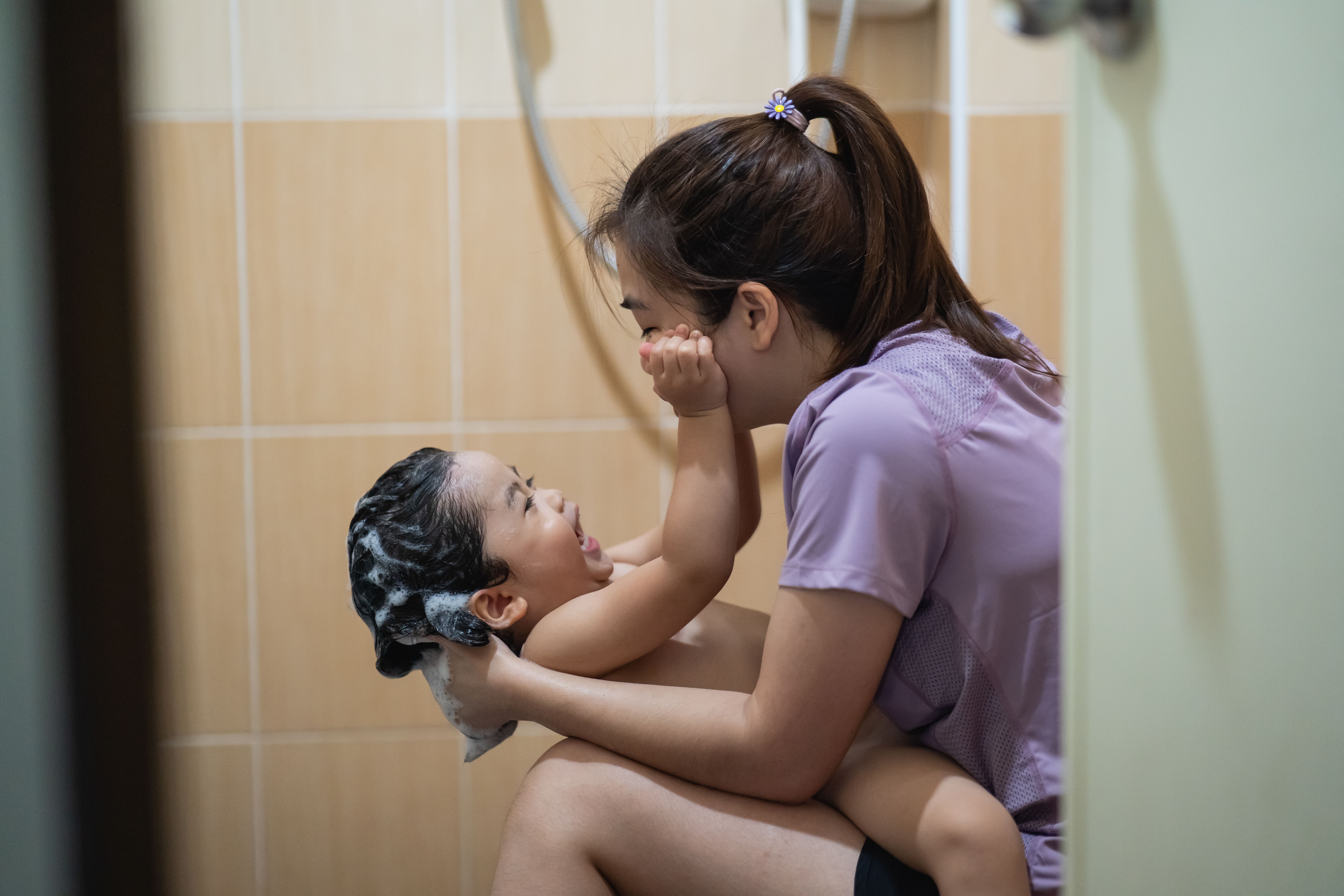
Bathing a child isn't just about cleaning their body; it's also a crucial time parents can spend with their children to instill good habits and hygiene awareness from a young age. Here's how:
1. Good Role Models from Parents
Children learn more from observation than from hearing. Parents should set a good example by bathing with their children from a young age, teaching them how to clean their bodies and maintain proper hygiene. Consistently demonstrating this will help children internalize and follow the practice until it becomes a habit.
2. Motivate Children to Want to Maintain Cleanliness
Use bath time as an opportunity to tell stories that help children understand the importance of hygiene, such as sharing experiences from when you were a child. Or, for example, highlight the negative consequences of neglecting hygiene. Linking hygiene to the benefits for children, such as "Taking a bath makes you feel refreshed and allows you to play to your heart's content," will encourage your child to be more interested in and willing to take care of themselves.
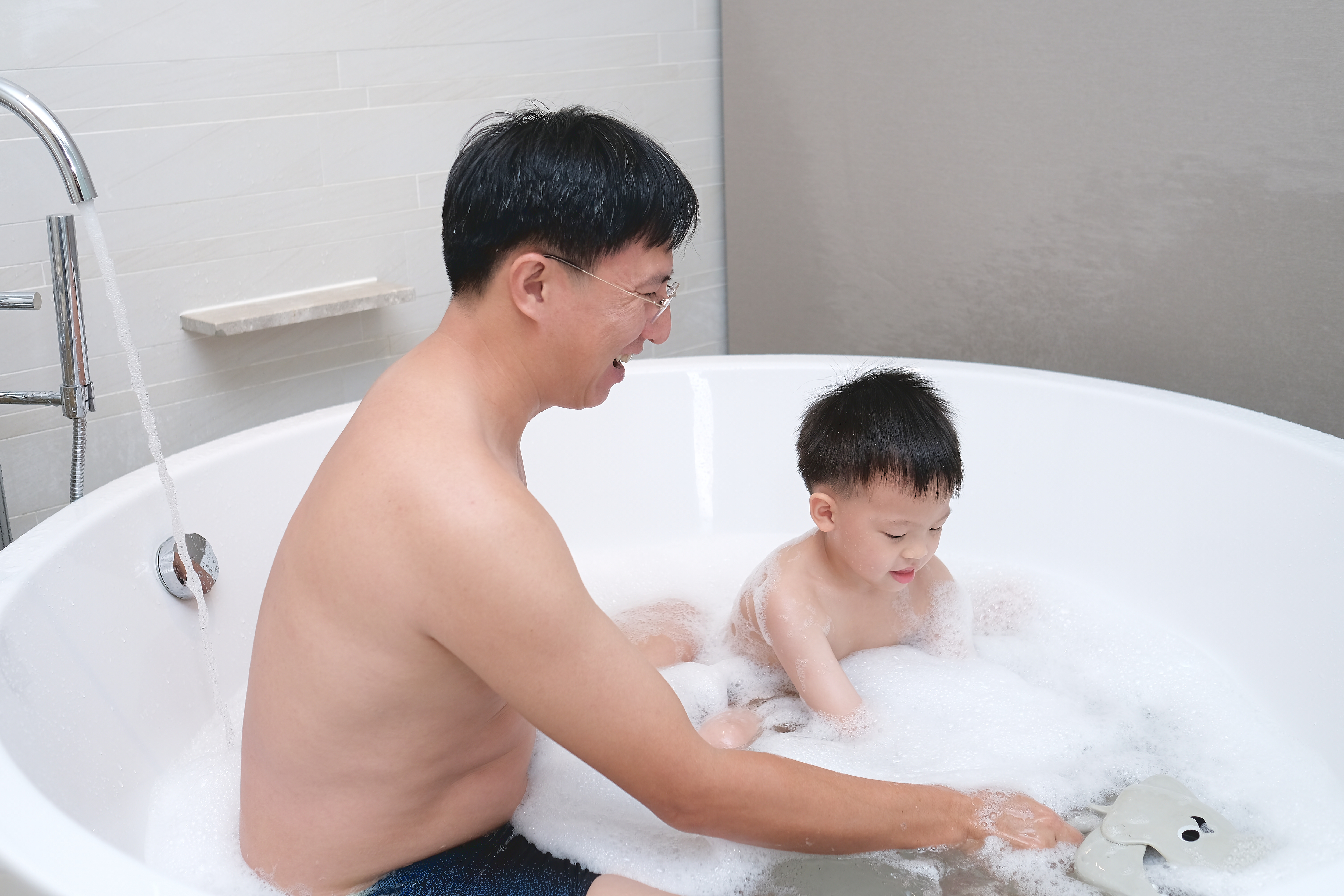
3. Teach your child to bathe themselves
At the appropriate age, allow your child to practice bathing independently, gradually reducing assistance. This will help develop responsibility and build confidence in your child's ability to care for their own body.
4. Children love cleanliness because parents communicate well
Talk to your child about the consequences of neglecting hygiene. For example, what happens if they don't brush their teeth, or what happens if their body is dirty. Have natural conversations during bath time or before bedtime. This will help your child absorb and understand without feeling forced.
5. Parental Consistency is Key
Instilling good hygiene habits takes time and patience. Parents should be disciplined in this matter and not neglect it, because if the parents themselves are not strict, the child may absorb the behavior of not caring about hygiene.
How to Make Bathing Children Fun and Safe
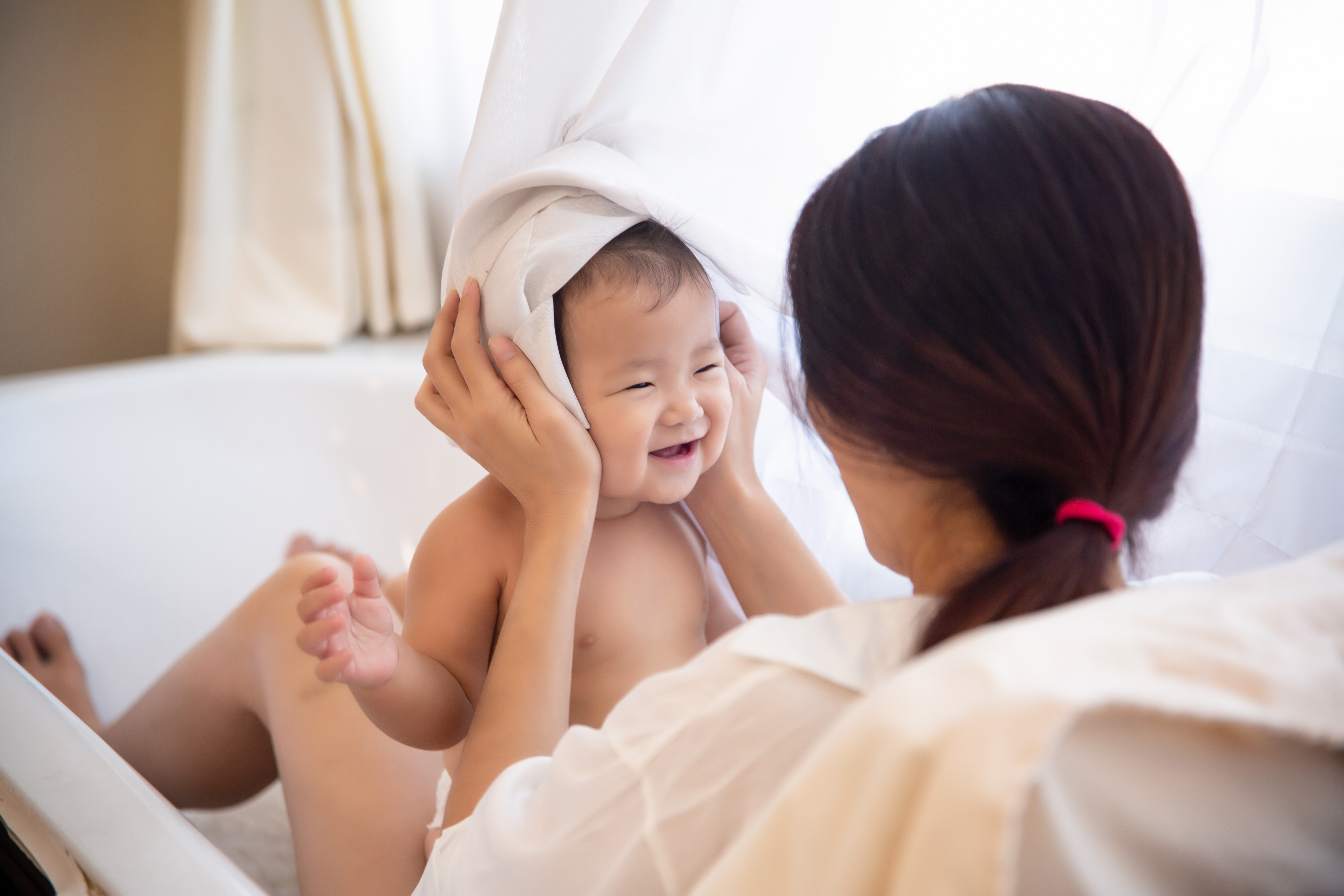
Instilling good hygiene habits takes time and patience. Parents should be disciplined in this matter and not neglect it, because if the parents themselves are not strict, the child may absorb the behavior of not caring about hygiene.
- Make everything a routine. Eat dinner on time. Bathe your child on time, so that children learn to start things consistently.
- Prepare your child to be ready to bathe and clean themselves properly.
- Create a fun bath time atmosphere for your child. For example, play their favorite music, prepare bath toys they like, and use their favorite baby soap to motivate them and make them want to spend time bathing independently.
- Don't make bathing alone scary. Avoid threatening or scaring your child, such as saying "Beware of ghosts!" or "Beware of monsters!" as this will only make them less willing to bathe.
- Let your child choose their own bath products. Having favorite items like a sponge with a design they like, shampoo in a bottle they find appealing, or baby soap with a scent they like can motivate them to want to bathe.
- During bath time, parents shouldn't scold or force their child, but rather invite them subtly. Instead of using a harsh tone, use an inviting approach. For example, "Did you know that clever people bathe themselves? Would you like to try bathing yourself?" or "It's almost time for your favorite cartoon. Mom thinks you should hurry and bathe so you'll be ready to watch cartoons!"
- Praise and reward your child appropriately. If your child does well and succeeds, give them a reward. To build your child's self-confidence, next time they will be able to do even better and take care of themselves without needing parents to bathe them anymore.
- Before bath time, remove any potentially dangerous items such as hair dryers, razors, or sprays from the bathroom to prevent your child from accidentally picking them up and playing with them, which could be dangerous.
- Choose baby soap and shampoo with organic extracts that are gentle and safe for your child's skin. Rich in organic ingredients, with a pH Balanced 5.5, it helps nourish the skin, keeping it soft, smooth, and moisturized for a long time, preventing skin irritation and promoting healthy skin.
- Baby soap and shampoo products must be certified free from skin-irritating chemicals to prevent rashes, irritation, and severe allergic reactions.
Bathing is not just about cleanliness, but also an opportunity to build good habits.
If parents train their children...

